+27 062-085-9201 | info@aplifiedads.online
What Is SEO and Why It Matters for Business Growth

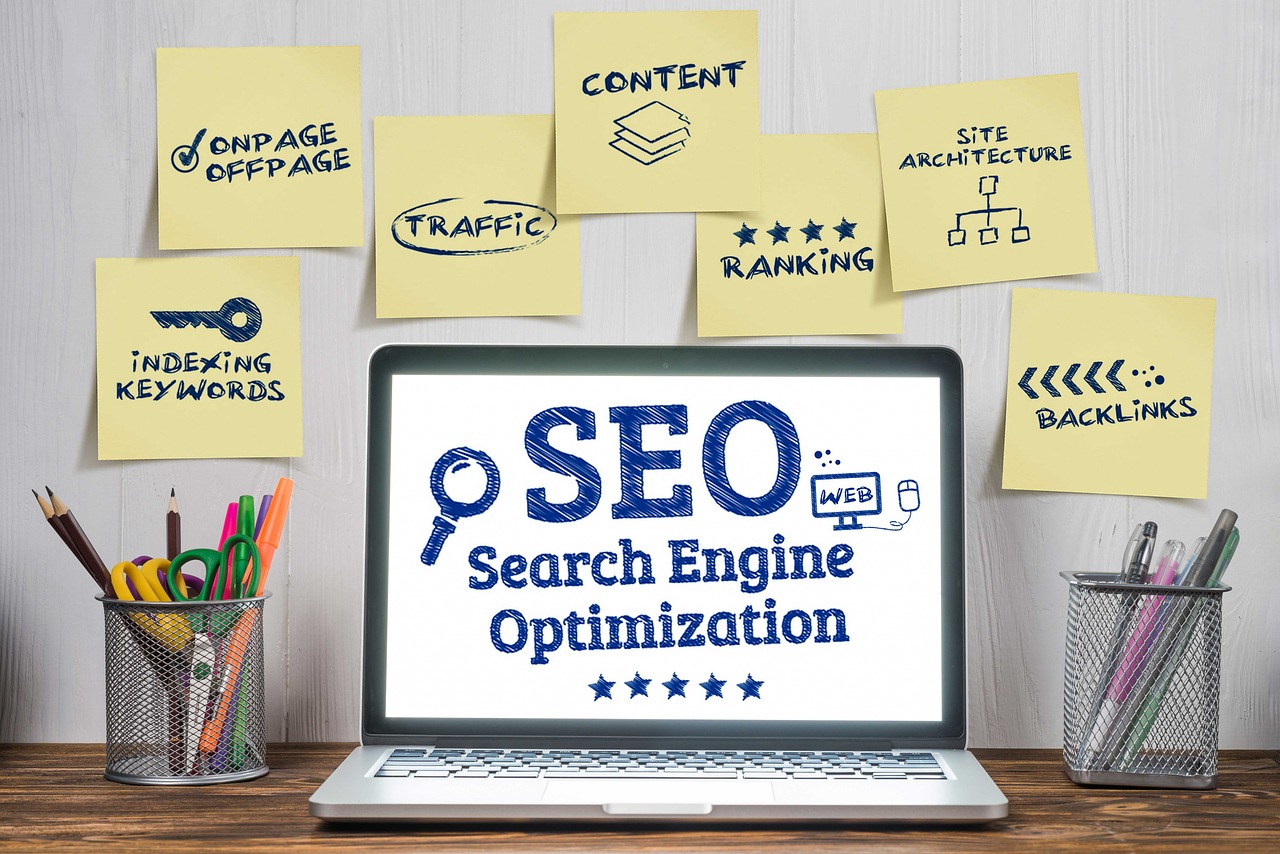
Search Engine Optimisation (SEO) is the process of improving a website so it appears prominently in search engine results when people look for products, services, or information related to that business. When SEO is implemented correctly, it becomes one of the highest-return marketing channels available because it captures demand that already exists.
SEO is not advertising. It is infrastructure.
What SEO Actually Means
SEO focuses on helping search engines understand three things:
- What your website is about
- How valuable and trustworthy it is
- Whether it deserves to rank above competitors
Google and other search engines aim to deliver the most relevant, credible result for every query. SEO aligns your website with that goal.
There are three core pillars of SEO:
- Technical SEO – how well your site is built and performs
- On-page SEO – how content is structured and optimised
- Off-page SEO – how the wider internet validates your site
All three must work together. Ignoring one weakens the entire system.
How SEO Works Behind the Scenes
Search engines use automated programs (crawlers) to scan websites. These crawlers evaluate hundreds of signals, including:
- Page speed and mobile usability
- Clear site structure and internal linking
- Keyword relevance and content depth
- Backlinks from reputable websites
- User behaviour such as time on site and engagement
SEO ensures that when these crawlers visit your site, they can easily interpret its purpose and quality.
If a site is slow, confusing, thin on content, or technically broken, it will struggle to rank regardless of how good the business is.
Why SEO Is Critical for Modern Businesses
Most purchasing journeys start with a search. Whether someone is looking for a local service, comparing providers, or researching before a decision, search engines are the gateway.
Businesses that rank well benefit from:
- Consistent, high-intent traffic
- Lower long-term acquisition costs than paid ads
- Increased credibility and brand authority
- Compounding returns over time
SEO works continuously. Unlike ads, it does not stop the moment spend stops.
What “Good SEO” Looks Like in Practice
When SEO is set up correctly, a business website:
- Targets keywords that match real customer intent
- Answers questions customers are already asking
- Loads quickly and works flawlessly on mobile
- Has a logical structure that guides users and search engines
- Builds authority through quality backlinks and content
This results in traffic that converts because it is relevant, informed, and ready.
Poor SEO focuses on tricks. Effective SEO focuses on alignment between search engines, users, and business goals.
Common SEO Mistakes Businesses Make
Many businesses fail with SEO not because it does not work, but because it is implemented incorrectly.
Typical issues include:
- Chasing high-volume keywords with no purchase intent
- Publishing generic content that adds no real value
- Ignoring technical issues that block indexing
- Treating SEO as a one-time task instead of an ongoing system
SEO rewards consistency, accuracy, and strategic execution.
How Businesses Succeed With SEO Long-Term
Successful SEO is built on process, not shortcuts.
That process includes:
- Keyword research grounded in commercial intent
- Content that demonstrates expertise and relevance
- Technical optimisation that removes friction
- Ongoing performance analysis and refinement
When done properly, SEO becomes a predictable growth engine rather than an experiment.
SEO as a Business Asset
A well-optimised website is an asset that appreciates over time. Each page, backlink, and improvement compounds the next. This is why established businesses continue to invest in SEO even when they already rank well.
SEO is not about gaming search engines. It is about building a digital presence that deserves visibility.
Businesses that understand this treat SEO as part of their core strategy, not an afterthought.